Aged Balsamic Vinegar: Why This Dark, Glossy Liquid Deserves a Spot in Your Kitchen
If you’ve ever drizzled aged balsamic vinegar over a fresh salad or warm roasted vegetables, you already know—it’s not just vinegar. It’s rich, slightly sweet, deeply flavorful, and somehow makes even simple food taste special. One spoonful can turn an ordinary meal into something memorable.
But what exactly makes aged balsamic vinegar so different from the regular bottle sitting on most grocery shelves? And how do you choose the best aged balsamic vinegar without feeling overwhelmed?
Let’s break it down in a way that actually makes sense—and keeps you hungry while reading.
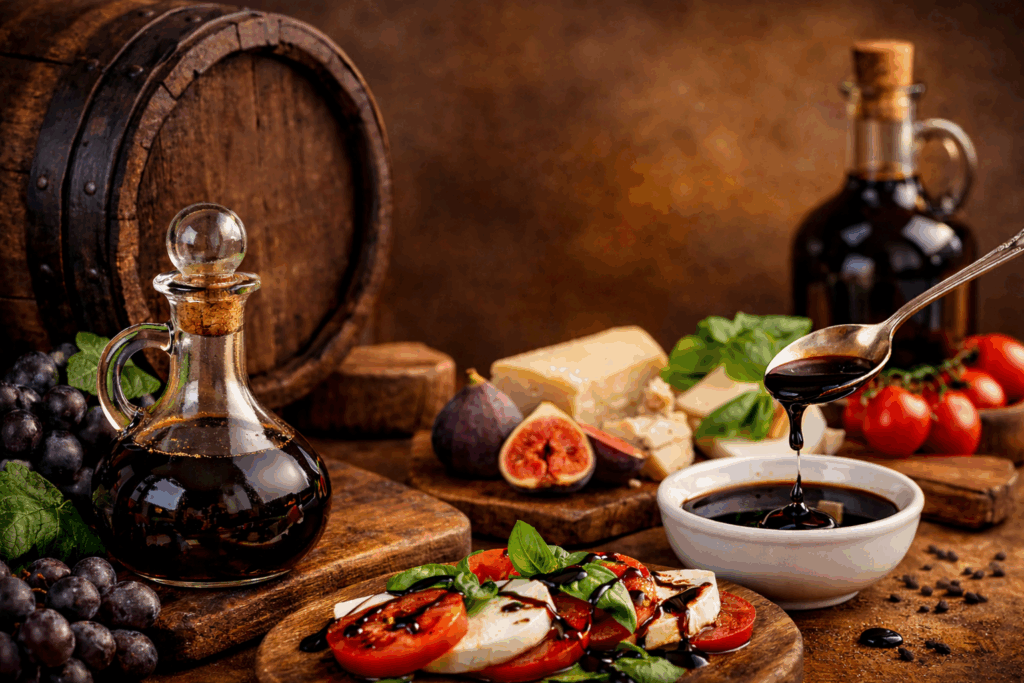
What Makes Aged Balsamic Vinegar So Special?
Aged balsamic vinegar starts its life as cooked grape must, not wine. This is important. Instead of being rushed through production, it’s slowly fermented and then aged for years. During this time, the vinegar thickens naturally, flavors deepen, and harsh acidity fades into smooth sweetness.
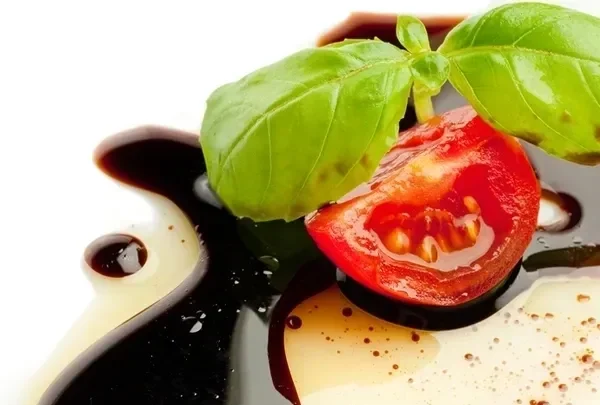
The result? A dark, glossy vinegar with layers of flavor—think caramel, dried fruit, wood, and a gentle tang that never overpowers your food.
This is why aged balsamic vinegar isn’t something you drown your salad in. It’s something you drizzle, finish, and savor.
The Magic Behind Barrel Aged Balsamic Vinegar
True flavor comes with time, and barrel aged balsamic vinegar proves that perfectly. During aging, the vinegar is stored in wooden barrels made from oak, cherry, chestnut, or juniper. Each barrel adds its own subtle character.
As the vinegar moves from one barrel to another:
- Water slowly evaporates
- Flavors become more concentrated
- Texture turns thick and silky
This slow barrel-aging process is what creates that luxurious mouthfeel and complex aroma people fall in love with.
How to Spot the Best Aged Balsamic Vinegar
You don’t need to be a chef to recognize quality. Here’s what to look for when choosing the best aged balsamic vinegar:
Thickness matters – When you pour it, it should flow slowly, not splash like water.
Ingredients matter – Grapes should be front and center, not artificial coloring.
Flavor balance – Sweetness and acidity should feel smooth, never sharp.
A good aged balsamic vinegar tastes rich and mellow, not sour or harsh.
Does Aged Balsamic Vinegar Go Bad?
This question comes up a lot—and the answer is reassuring.
Does aged balsamic vinegar go bad?
In most cases, no.
Because of its acidity and natural sugars, aged balsamic vinegar has an extremely long shelf life. If you store it properly—cool place, away from sunlight, lid tightly closed—it can last for years.
You might notice sediment at the bottom or a slightly deeper flavor over time. That’s normal. It’s part of the aging process, not spoilage.
Unless you see mold (which is very rare), your vinegar is usually perfectly safe to enjoy.
How People Actually Use Aged Balsamic Vinegar
This is where aged balsamic vinegar really shines. It’s not just for salads.
Savory favorites:
- Drizzle over grilled or roasted vegetables
- Finish steak, chicken, or fish
- Pair with mozzarella, burrata, or aged cheese
Sweet surprises:
- Spoon over strawberries or figs
- Add a few drops to vanilla ice cream
- Drizzle lightly over dark chocolate desserts
Because the flavor is concentrated, a little goes a long way—and that’s part of its charm.
Aged vs Regular Balsamic Vinegar: Why the Difference Matters
Once you’ve tried aged balsamic vinegar, it’s hard to go back. Regular balsamic vinegar is thinner, sharper, and better suited for cooking. Aged balsamic vinegar is smoother, richer, and meant to be enjoyed as a finishing touch.
Think of it like the difference between table wine and a well-aged vintage. Both have their place, but they serve very different purposes
How to Store Aged Balsamic Vinegar Properly
Good storage keeps your vinegar tasting its best:
- Store at room temperature
- Keep it away from heat and sunlight
- Don’t refrigerate
- Always close the cap tightly
Treat it well, and it will reward you for years.
Final Thoughts: Is Aged Balsamic Vinegar Worth It?
Absolutely. Aged balsamic vinegar is one of those ingredients that quietly elevates everything it touches. The difference in flavor is unmistakable.
It doesn’t just season food—it adds character.